
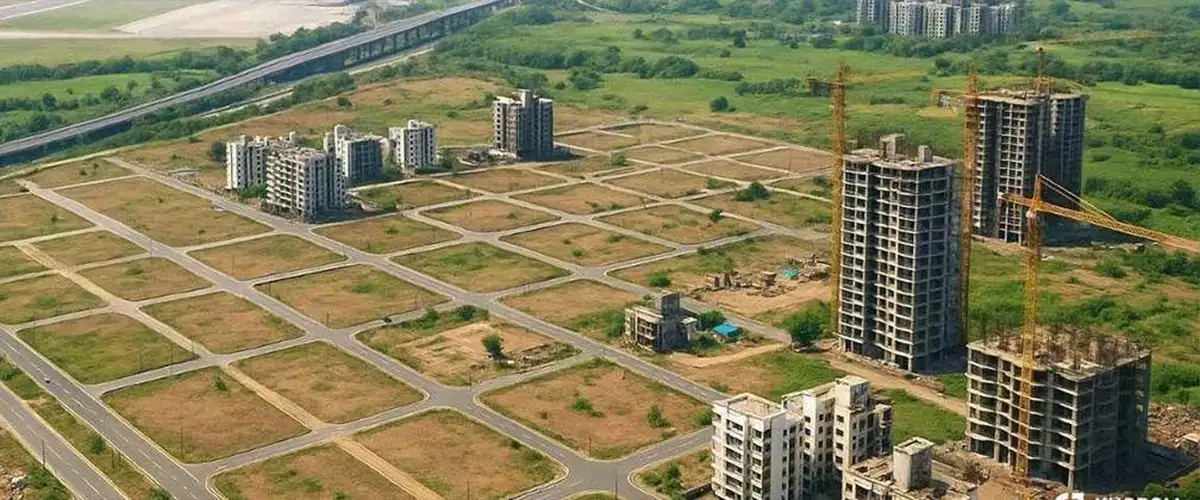
Open Space Residential Projects are redefining the definition of luxury in the 2026 real estate market. It is no longer measured solely by the marble in the lobby or the brand of the elevator; it is measured by breathability. As urban landscapes become increasingly dense, the “luxury of space” has become the ultimate commodity. For the modern homebuyer, the question is no longer just about the square footage inside the apartment, but the expansive greenery and recreational zones outside it.
Understanding why open spaces matter in residential projects is crucial for anyone looking to secure a home that balances physical health with long-term financial appreciation. In an era where wellness is a priority, a project with a low construction footprint and a high ratio of open-to-built area is a goldmine.
Health & Well-being – The Core Benefits Of Open Spaces
Psychological Relief and Stress Reduction
Living in a high-rise “concrete jungle” without access to nature can lead to significant urban fatigue. Architecturally integrated green zones act as a natural filter for stress. Whether it’s a Miyawaki forest at the podium level or a sprawling central park, these areas provide a visual and physical escape from the city’s frantic pace. Studies in 2026 have shown that residents living in developments with at least 60% open space report lower cortisol levels and improved mental clarity.
Superior Air Quality and Natural Ventilation
One of the most practical reasons why open spaces matter in residential projects is the “Heat Island” effect. Dense clusters of buildings trap heat. Conversely, projects that prioritize wide internal boulevards and unobstructed airflow ensure that your home stays naturally cooler.
- Cross-Ventilation: Open layouts allow winds to flow through the project, reducing the dependency on air conditioning.
- Oxygen Pockets: Dense plantation and floral gardens act as carbon sinks, providing a fresher micro-climate for your family.
Recreational Value – Beyond The Four Walls
Active Lifestyles and Child Development
For families with children and senior citizens, outdoor amenities are non-negotiable. A project that dedicates significant acreage to “non-saleable” open areas provides:
- Dedicated Play Zones: Rubber-floored parks where children can engage in physical play, essential for motor skill development in a digital age.
- Senior Citizen Pavilions: Quiet, shaded corners for social interaction and morning yoga.
- Jogging & Cycling Tracks: Traffic-free paths that encourage a daily fitness regime without leaving the safety of the gated community.
Community Bonding in Shared Landscapes
In Thane, open spaces strengthen community living by creating areas for social interaction and recreation. Landscaped lawns, amphitheaters, and poolside decks act as vibrant gathering spaces, fostering a stronger sense of belonging among residents.
Investment Perspective – Why Open Spaces Matter for ROI
Higher Capital Appreciation
From an investor’s lens, the land-to-building ratio is a primary driver of valuation. In Thane, properties that offer lifestyle-centric open areas consistently command a higher premium in the secondary (resale) market. In the 2026 Mumbai/MMR landscape, projects with lush landscapes are appreciating at a rate 15–20% higher than “basic” residential blocks.
Rental Yield and Tenant Retention
Working professionals and expatriates increasingly prefer integrated townships in emerging residential hubs that offer a resort-like lifestyle. Projects with landscaped open spaces, wellness amenities, and green surroundings often attract higher rental demand, better tenant retention, and stronger long-term investment value.
The 2026 Buyer’s Checklist For Open Space Quality
When evaluating a new residential venture, look beyond the brochure and verify these SX-optimized features:
- Floor Area Ratio (FAR) Utilization: Is the builder cramming towers together, or is there a rhythmic gap for sunlight?
- Vastu and Light: Do the open spaces ensure that every unit receives natural illumination for at least 4-6 hours a day?
- Maintenance Sustainability: Does the project use STP (Sewage Treatment Plant) water for its gardens? (A sign of a forward-thinking, eco-friendly developer).
- Buffer Zones: Is there a significant distance between the residential wing and the main road to minimize noise pollution?
Future-Proofing Your Home – The Evolving Landscape
As we move further into 2026, the integration of biophilic design—the practice of connecting people and nature within built environments—is becoming the standard. A home is no longer just a place to sleep; it is an ecosystem. By prioritizing projects that offer expansive outdoor landscapes, you are not just buying a property; you are investing in a healthier, longer, and more profitable future.
Whether it is the sound of rustling leaves in the morning or the sight of a clear sunset from a communal deck, the connectivity to nature is what turns a high-rise into a haven.
Experience the Luxury of Breathable Living
Ready to move beyond the ordinary? Our portfolio features the most sought-after residential landmarks that prioritize human-centric design and vast open acreage. Don’t settle for a concrete box when you can own a piece of a thriving green sanctuary.
Secure Your Stake In A Wellness-First Community
Contact Our Dedicated Consultants: +91 9356316014
Virtual Tours & Site Appointments: www.atlantashilphata.com
Book your personalized walkthrough today and witness how open spaces redefine modern living!